Air Plants

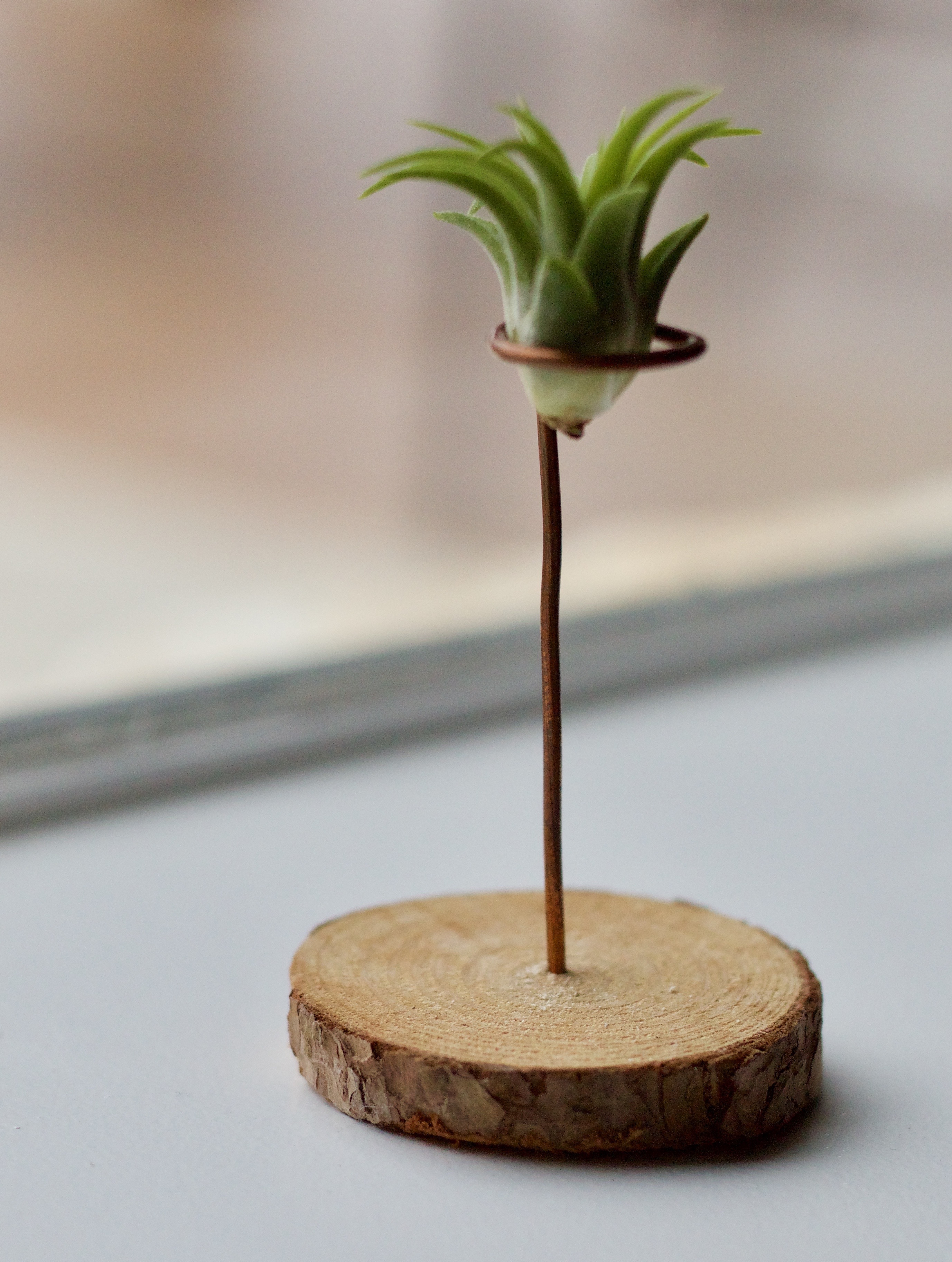
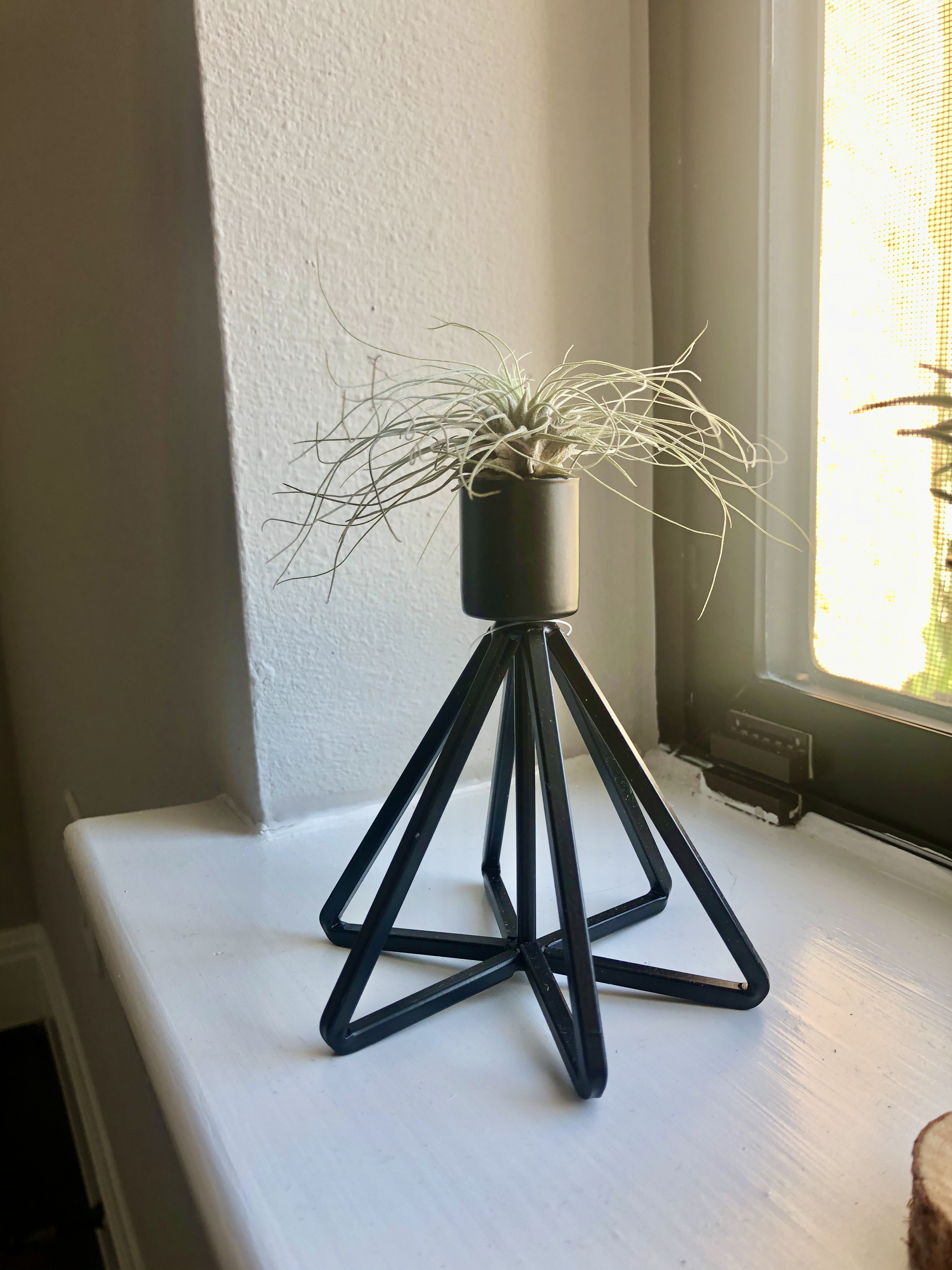
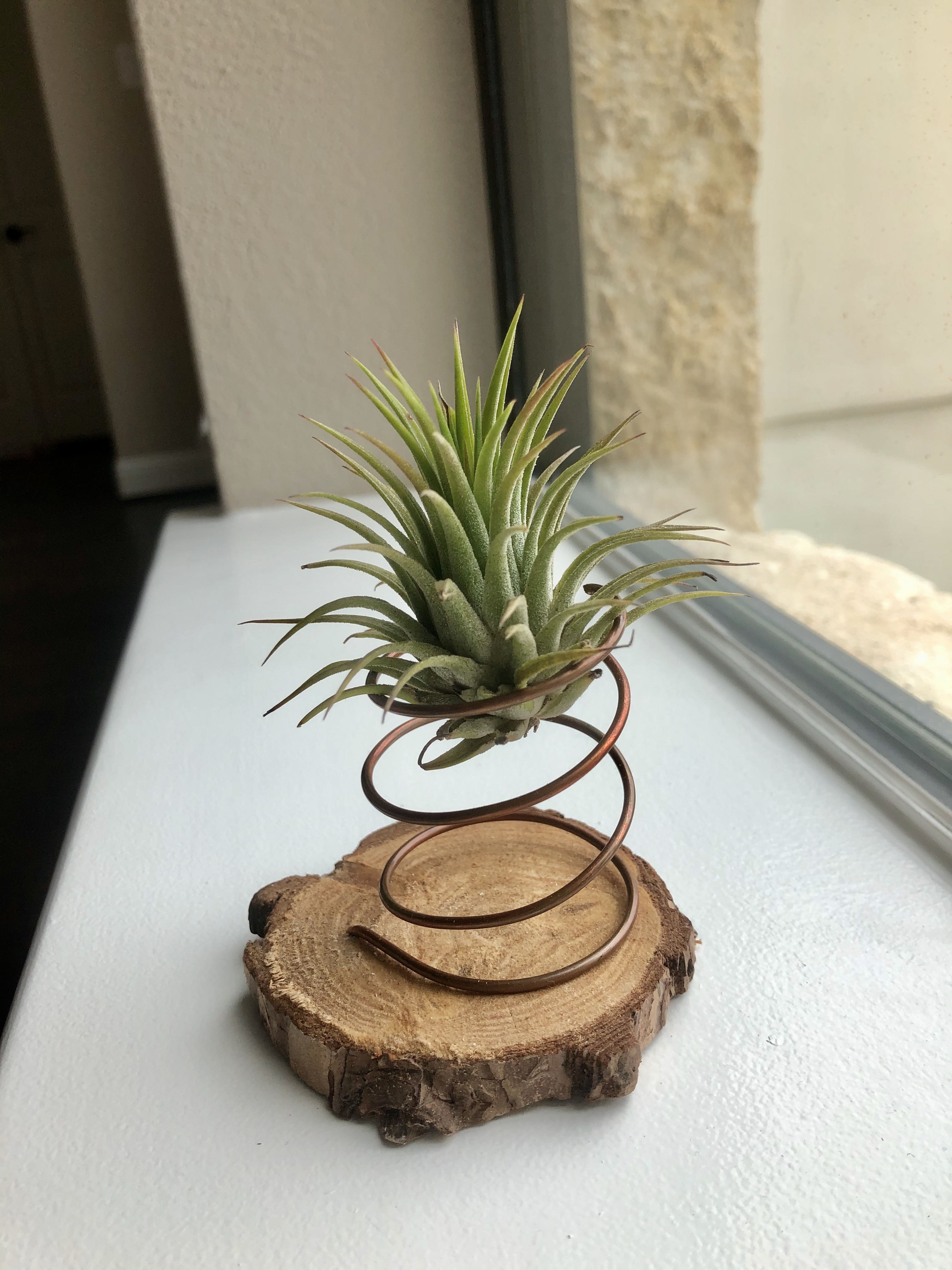
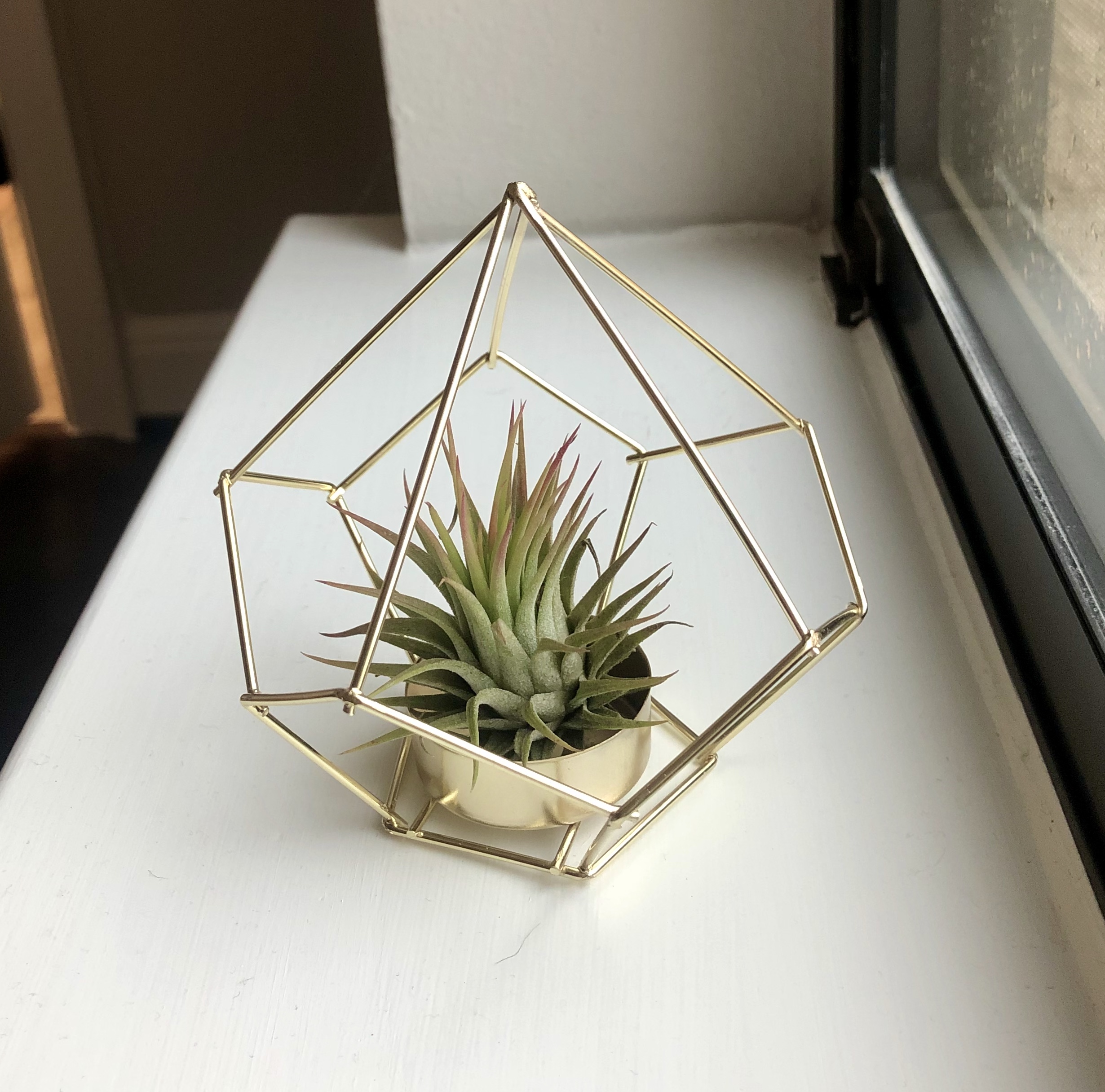
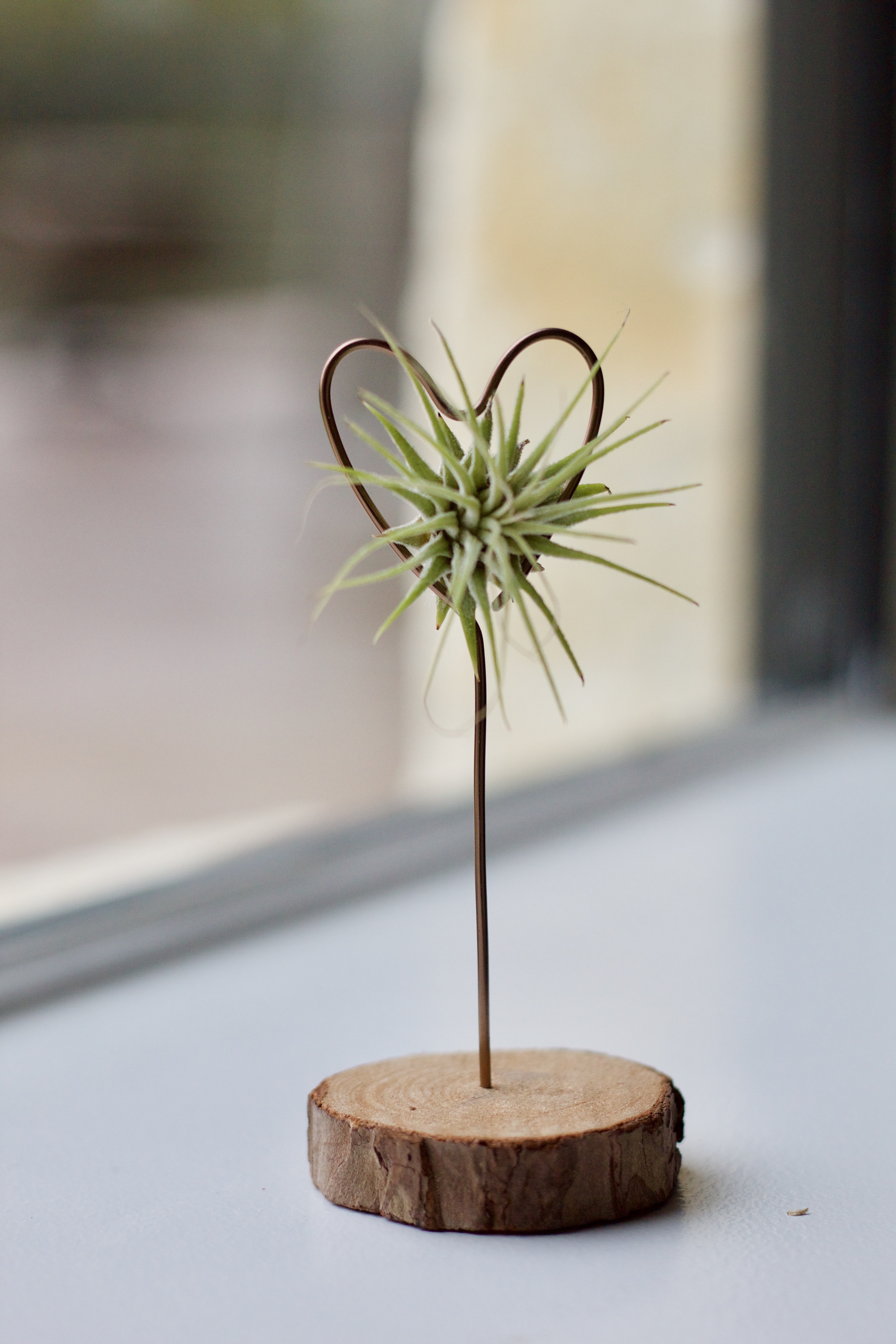
I absolutely love Air Plants! I have quite a few in my urban jungle. These plants are also known by the group to which they belong called Tillandsia. These wonderful little plants come in hundreds of varieties, over 600 varieties! They are epiphytes, which means they do not need soil to survive but rather they cling onto other things, like plants, telephone poles, rocks, buildings, and basically anything else they come across. This makes them the perfect decoration, they can thrive on almost anything and there is no messy soil!
Light:

In nature these little guys grow attached to the branches of trees. That means they are used to filtered light and not much direct sunlight. They can handle a few hours of direct sun especially in the morning but too much can kill them. 

The best place to keep them is in bright indirect light that comes from a south or east facing window. You can even keep them under fluorescent light if the plant is between 6” and 35” from the tube depending on the strength of course.

Watering:

Watering depends heavily on what kind of environment you and your plant buddy live in. If you live in a hot and dry place the plant will need watered 1-2 times a week. If you live in a cool or humid environment you could probably squeak by with watering once a week. The best way to water a Tillandsia is to submerge it in water for about 30 minutes. It is best to use distilled water, bottled water, or rainwater. If you don’t have that easily accessible, tap water should do just fine. 

After watering I recommend drying your plants upside down so all the water can drain out. If your plant is still wet after 4 hours you should find a place to let them dry with more circulation. Rot is the culprit of most Air plant deaths. If your plant turns brown at the base and becomes squishy there probably isn’t much you can do to save it at this point.

Humidity:

If the tips of your air plant start to curve wildly and feel dry to the touch chances are it is a bit thirsty. Tillandsias are unique in that they take water and nutrients up through their specialized leaves. It may help your plant out if you keep it in a more humid place. You can also supplement this by spritzing it with water between waterings especially if you live in a dry environment.

Temperature:

Air plants do just fine living indoors with us. They can tolerate the comfortable temperature of your home. However, like most plants, your plants will grow faster and overall look healthier if it is kept slightly warmer.

Fertilizer: 

There are special kinds of fertilizers out there for Tillandsias which only require you to mist the super juice onto their leaves about once a month. This is not totally necessary and they will grow just fine if cared for well. However if you would like to see your plant grow faster or better health as it develops babies fertilizer is for you.

Toxicity:

Lucky for you! Tillandsias are non-toxic to children and pets. 
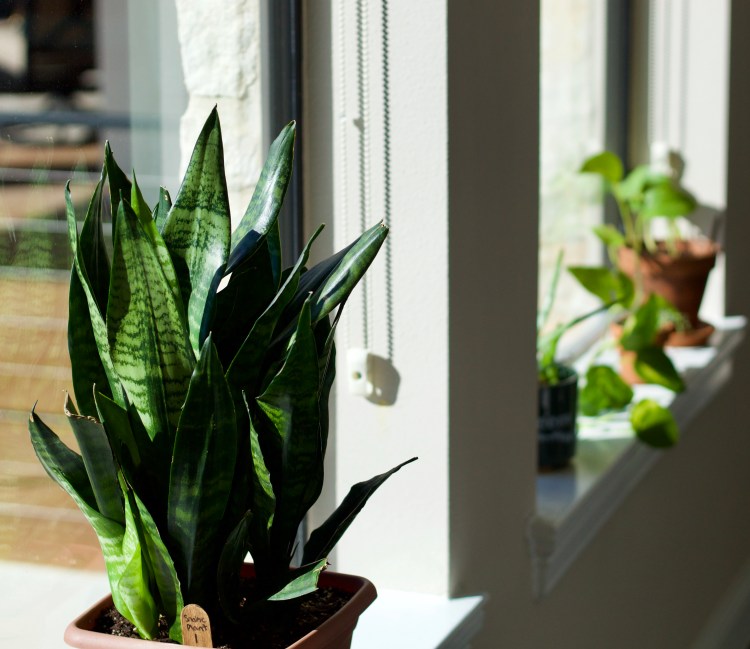
Snake Plant (Sansevieria)

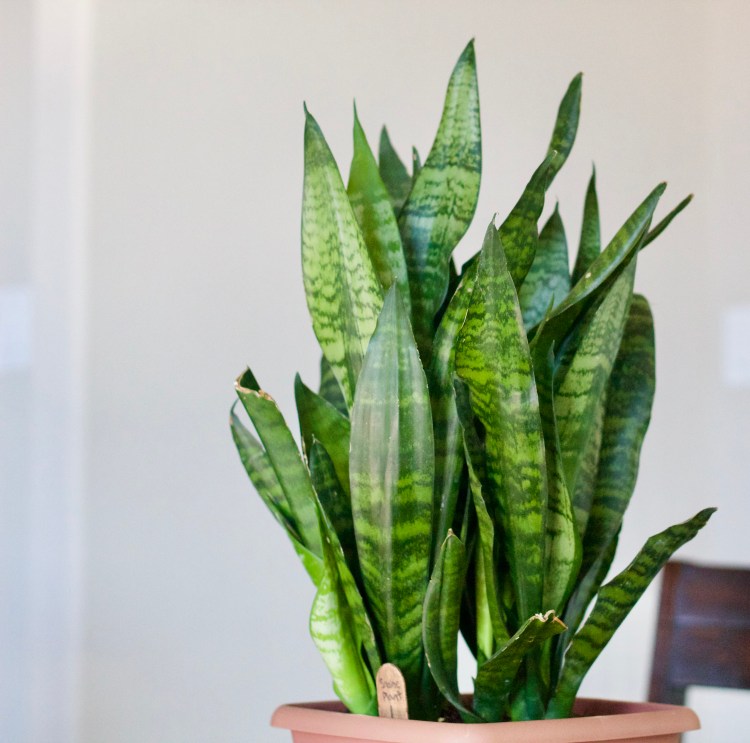
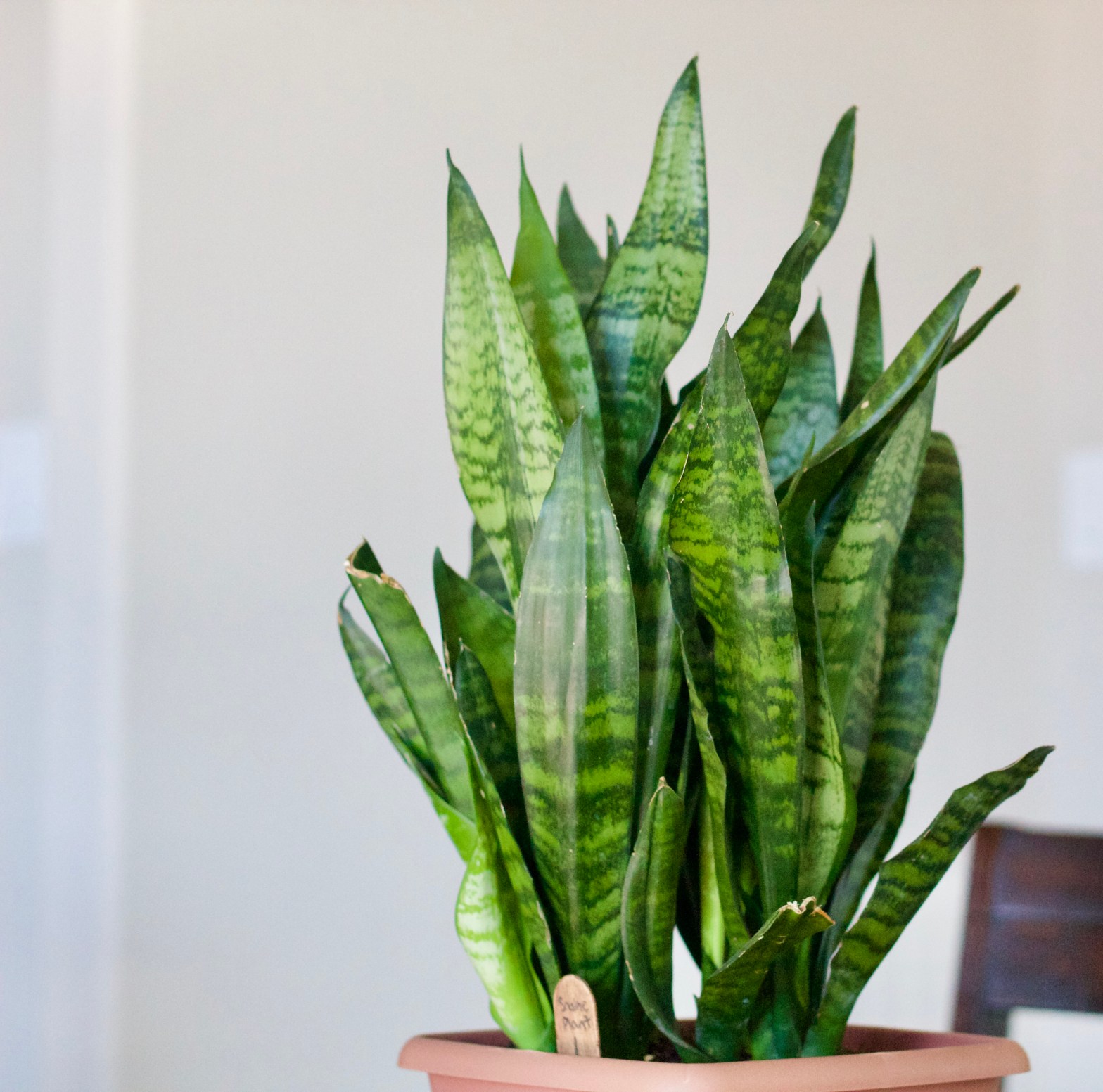
This plant is also known as a Snake Plant or Mother-in-Law’s Tongue. It is at the top of my list of easy to care for plants! Sansevieria come in multiple varieties so you are sure to find one you like. A sweet vintage man I know found out about my budding love for plants and brought me one of these to call my own. It is so easy to care for. Propagation with these plants is so simple too! The mother plant will send a pup out near the base of the plant. All you have to do is repot it, simple as that.

Light:

Sansevierias are the Jack-of-all-trades when it comes to sun. They can withstand both low light and direct sunlight. They do best when they bathe in moderate to bright light.

Watering:

This striking plant doesn’t need much water at all. If you over water it root rot can easily take over. Make sure that you let the soil dry out well before you water again. Water even less in the winter months. Snake Plants like to be left alone when it comes to watering. 

Humidity:

You really do not have to worry about extra humidity with these guys. They thrive almost anywhere.

Temperature:

Sansevierias can tolerate temperatures ranging from 55-85 degrees Fahrenheit or 12-30 degrees Celsius. Like most indoor plants, they do best in warmer conditions.

Fertilizer:

You can fertilize twice a year with an all purpose plant food and your plant will be one happy camper.

Toxicity: 

Sansevierias are mildly toxic to humans and pets. Ingestions can lead to mouth and stomach irritation and possible vomiting. Be careful not to let your kiddos or pets eat this plant. 

Thanks for reading, if you have any questions or things you’d like to see an article about don’t hesitate to contact me! To keep up to date on all the new things happening around here don’t forget to subscribe. I hope you find inspiration to create green spaces in your life. -Makayla

Golden Pothos Care

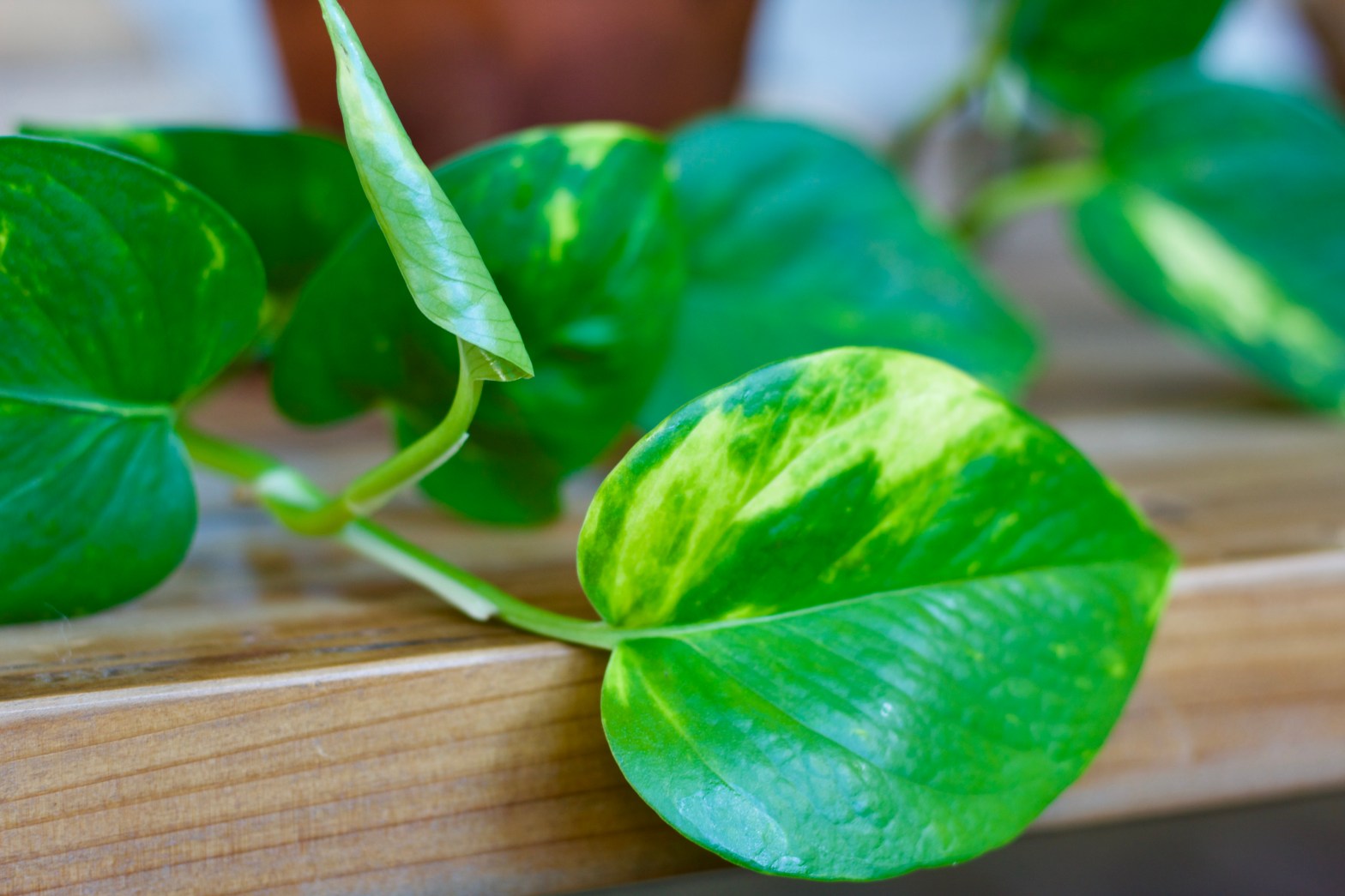
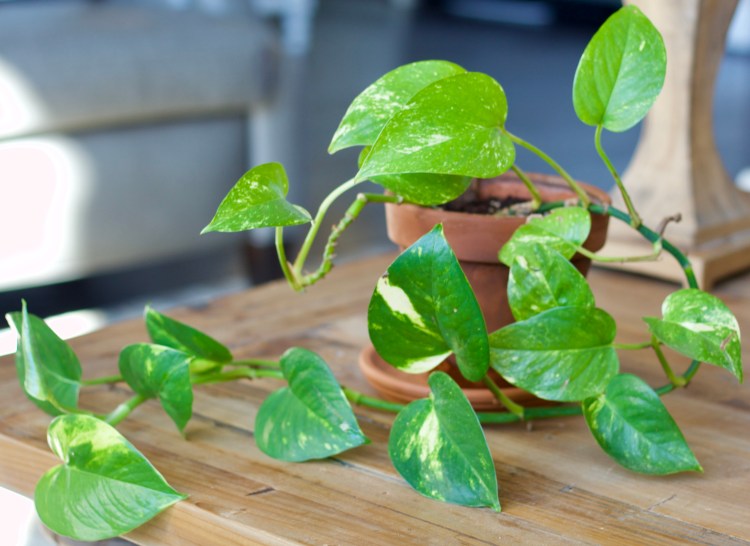
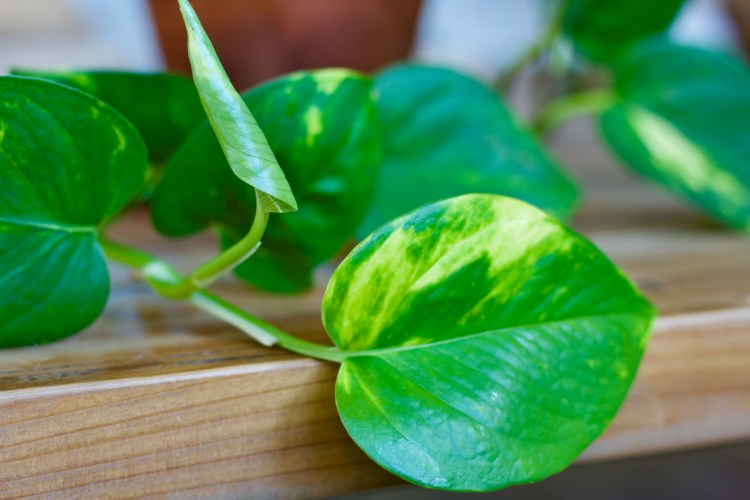
This beautiful little plant was the first plant I ever received. It is just a breeze to care for! My grandmother had a rather large Golden Pothos for almost 4 years before she sniped a few cuttings, propagated them, and gave them to my sister and I for Christmas in 2018. Mine started with just a few leaves and has taken off!

Here are a few things to know about your Golden Pothos.

Light: 

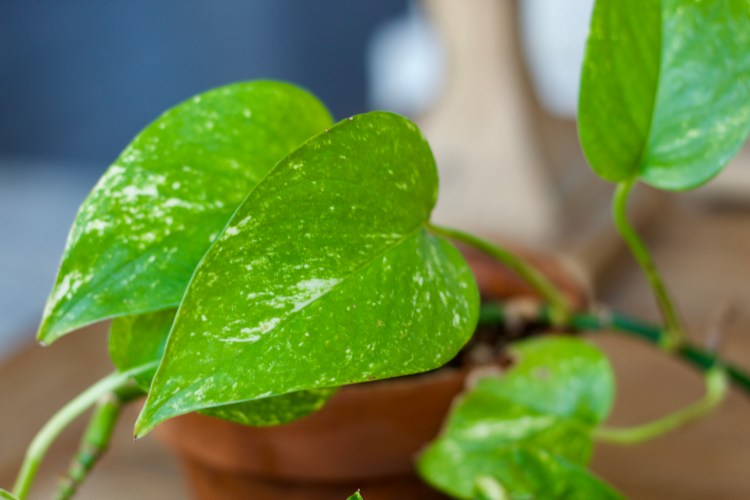
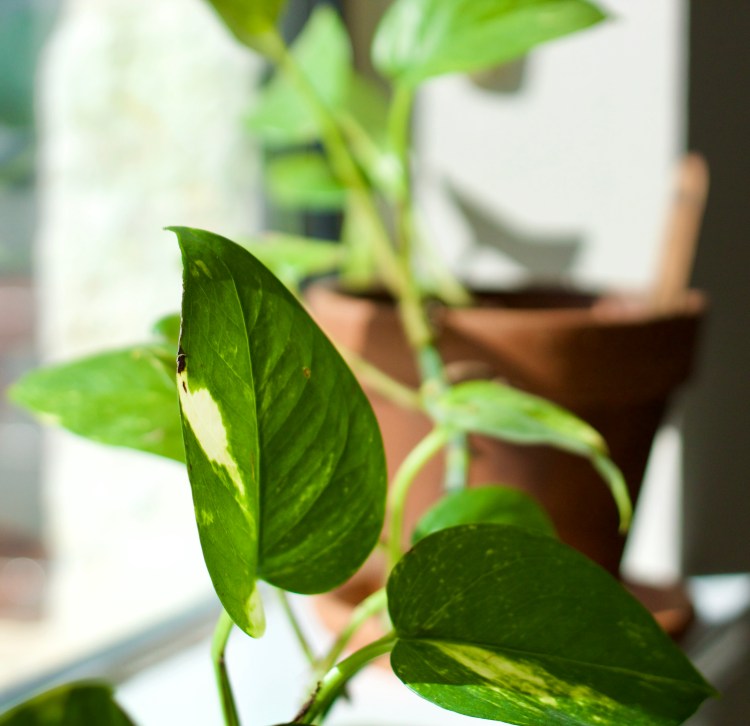
These plants are known for tolerating low light conditions fairly well as well as bright indirect light. If your plant is somewhere with less light such as an east or north facing window it will survive just fine but do know that if you keep it near a south or west facing window they will grow much faster. This medium to bright indirect light will help the plant sprout some leaves with gorgeous variegation that you might not see in a shadier spot. Just remember that they don’t do so well in direct sunlight for very long. The direct light can scorch the leaves and cause browning. I keep mine in a south facing window which receives filtered light and it does wonderfully. 

Watering:

Golden Pothos are forgiving little guys. They like to be kept moist but not saturated. Wait until the top inch of soil is dry and then give it a good soak. You can check how dry the plant is by sticking your finger in the pot near the root ball. Water your plant until you see water coming out the bottom. Be careful not to over water your Pothos. If it is wet for too long it’s leaves will turn yellow and potentially fall off.

Humidity:

Pothos are truly a simple plant to care for. They will do well in low humidity but much like in the case with light requirements, will grow much faster in higher humidity. If you see brown tips on your plant this may be a sign that the air is too dry.

Temperature:

Golden Pothos do well in a range of 65-85 degrees Fahrenheit or 18-30 degrees Celsius. 

Fertilizer: 

These plants tend to be quick growers when in optimal light and humidity so they don’t need much fertilizer. If you do want to give your Pothos a snack, do so every 6 months with an all purpose houseplant fertilizer. 

Toxicity:

Pothos plants are mildly toxic for humans and our pets. If ingested, Pothos can cause mouth and stomach irritation and occasionally vomiting. Take care to keep it away from small children and pets.

Thanks for reading, if you have any questions or things you’d like to see an article about don’t hesitate to contact me! To keep up to date on all the new things happening around here don’t forget to subscribe. I hope you find inspiration to create green spaces in your life. -Makayla

Welcome to Wet My Plants!

Hello! My name is Makayla and I am so glad you are here. If you are reading this “get to know me” blog post then I suspect you’re asking three main questions. Who is she? What does she write about? Why does she do it? If you are than I have all the answers for you.

Who:

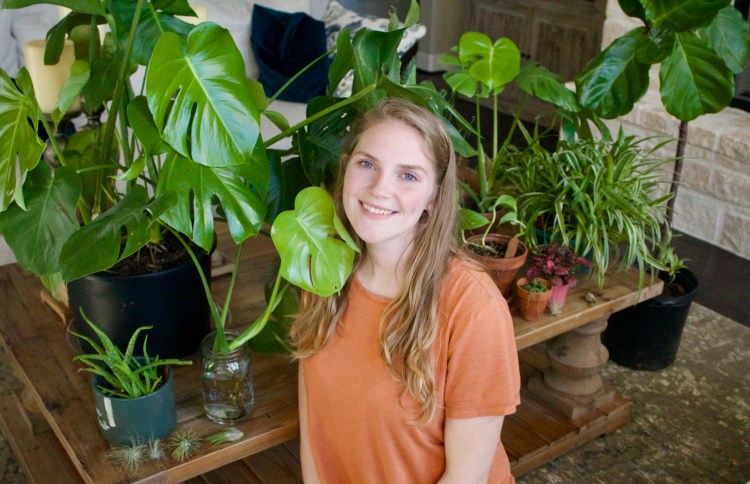
I am a 22 year old plant lover who lives in Central Texas. I moved to San Marcos, Texas with my husband to work with a new church plant and to attend Graduate School at Texas State University. With my degree in Sustainability Studies I hope to participate in innovative agricultural systems to help those who are food insecure have access to fresh produce for an affordable price.

What:

Anything and everything plant related! I write about my personal collection of plants as well as the plants on my wish list. I write about fertilizing, repotting, propagating and more. I do not claim to be an expert but I do love learning as much as possible. I have a lot to learn about plants but I try to soak up all the information that I can so I can share it with you! 

Why:

I love plants of course! I not only love plants, but I love to learn in general. When I find something that interests me, I dig deep and try to learn all that I can about that subject. It is rather hard for me to learn a bunch of new things and keep them to myself. So what better way of sharing than a blog? Together we can grow alongside our plants and create the in house jungle of our dreams.

Thanks for reading, if you have any questions or things you’d like to see an article about don’t hesitate to contact me! To keep up to date on all the new things happening around here don’t forget to subscribe. I hope you find inspiration to create green spaces in your life. -Makayla